Pipes Under Your Feet
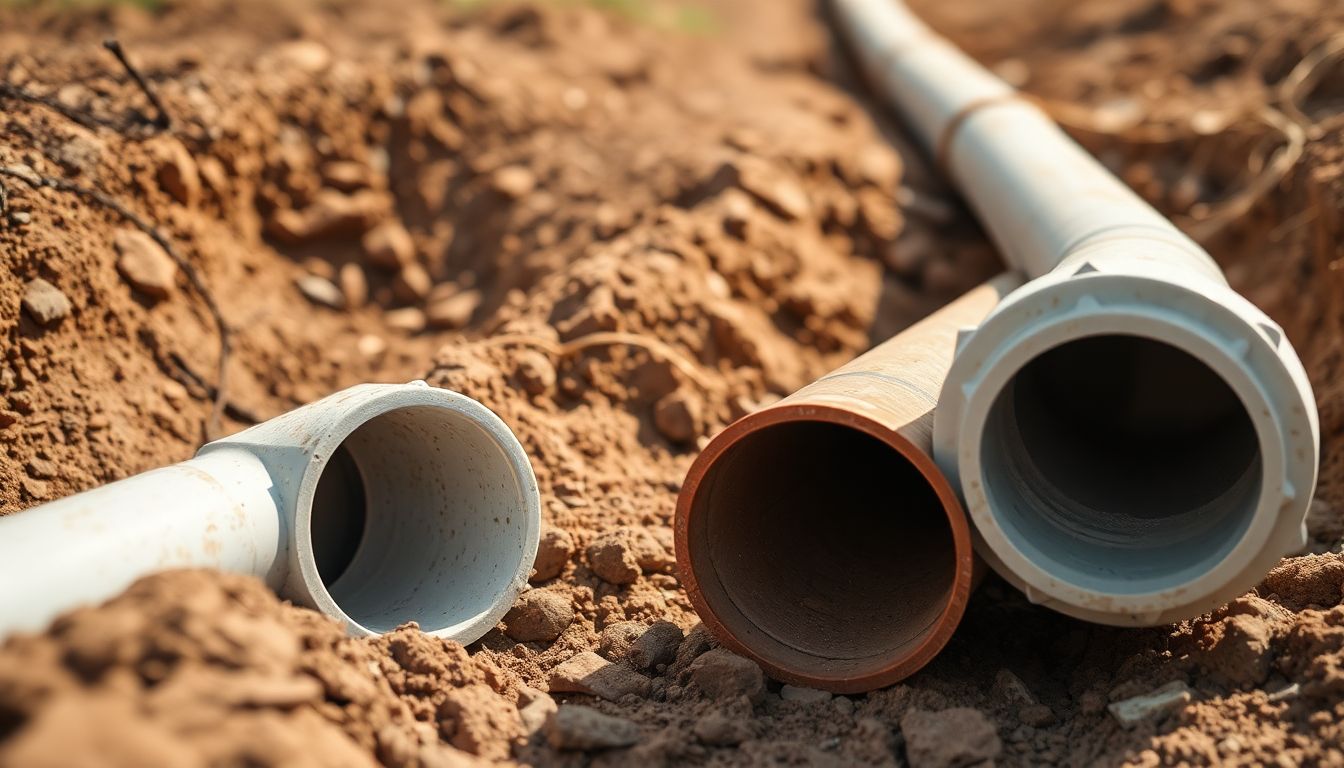
Old homes in Houston often hide clay sewer pipes. Newer builds lean toward PVC. The choice affects repairs, costs, and how often you call a plumber. At GEI Plumbing Services we see both every week. We dig up clay lines that cracked decades ago. We also fix PVC that someone installed wrong. The materials differ in weight, joints, and how they handle Houston soil.
Clay Pipes: The Old Standard
Clay sewer pipes were common before the 1970s. They come from fired clay, so they resist chemical corrosion. Roots still find the joints though. When the ground shifts in Houston the rigid sections often separate.
PVC Pipes: The Modern Choice
PVC arrived later and changed how we install sewer lines. It weighs less so crews move it faster. The glued or gasket joints seal tighter than old clay bell joints. Still, PVC can crack if the soil moves a lot or if someone backfills with rocks.
How Long Each Material Lasts
Clay can last eighty years when the ground stays stable. Many Houston neighborhoods still have working clay lines from the 1940s. PVC has not been in widespread use long enough for the same data, yet most estimates put it at fifty to seventy years with proper install.
Age alone does not decide replacement. We look at root intrusion, offset joints, and water flow during camera inspections.
Installation Differences That Matter
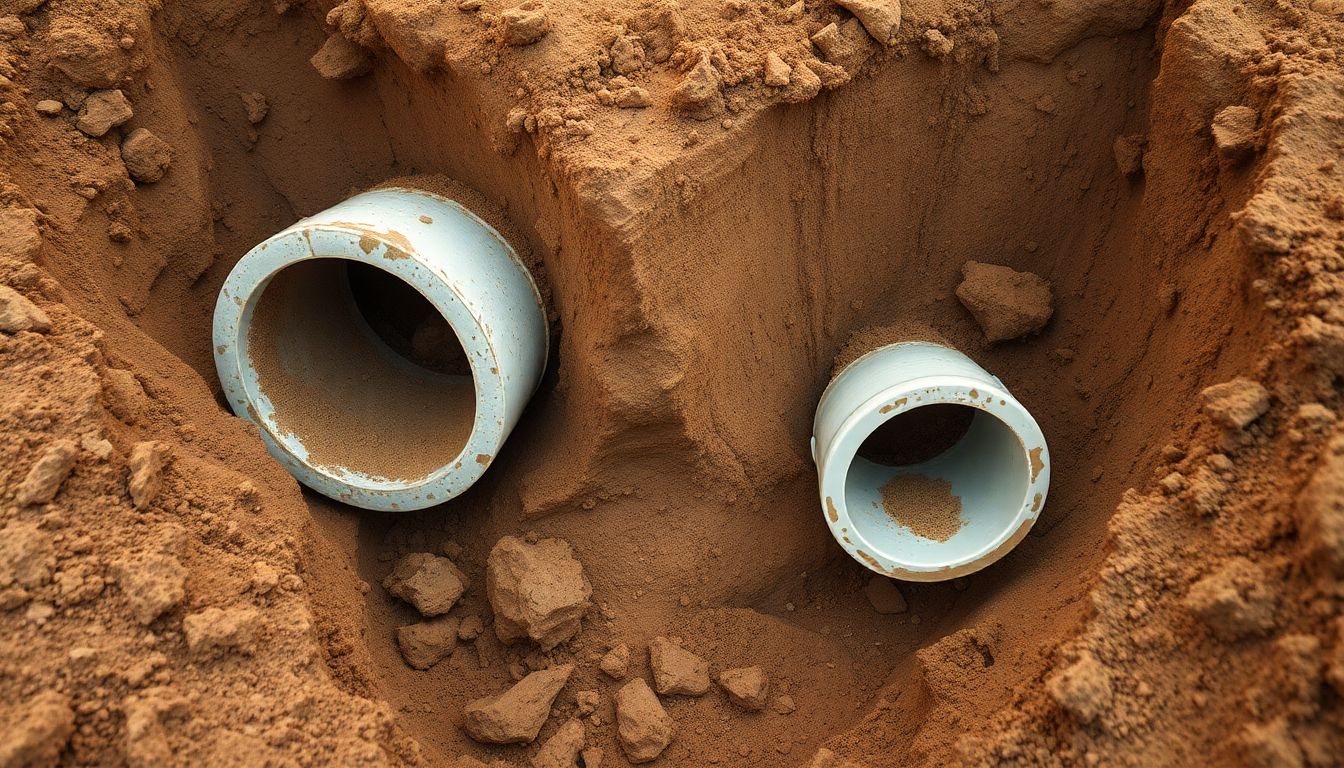
Clay needs heavy equipment and careful alignment. Each section weighs thirty pounds or more. PVC sections snap together fast and require less trench width. That speed cuts labor time on repipe jobs.
Cost Breakdown for Houston Homes
Material cost for PVC runs lower. Clay pipe itself costs more today because fewer suppliers stock it. Labor tells the bigger story. Digging wider trenches for clay adds time and money. We often see total replacement costs swing thirty percent based on material alone.
Maintenance and Common Failures
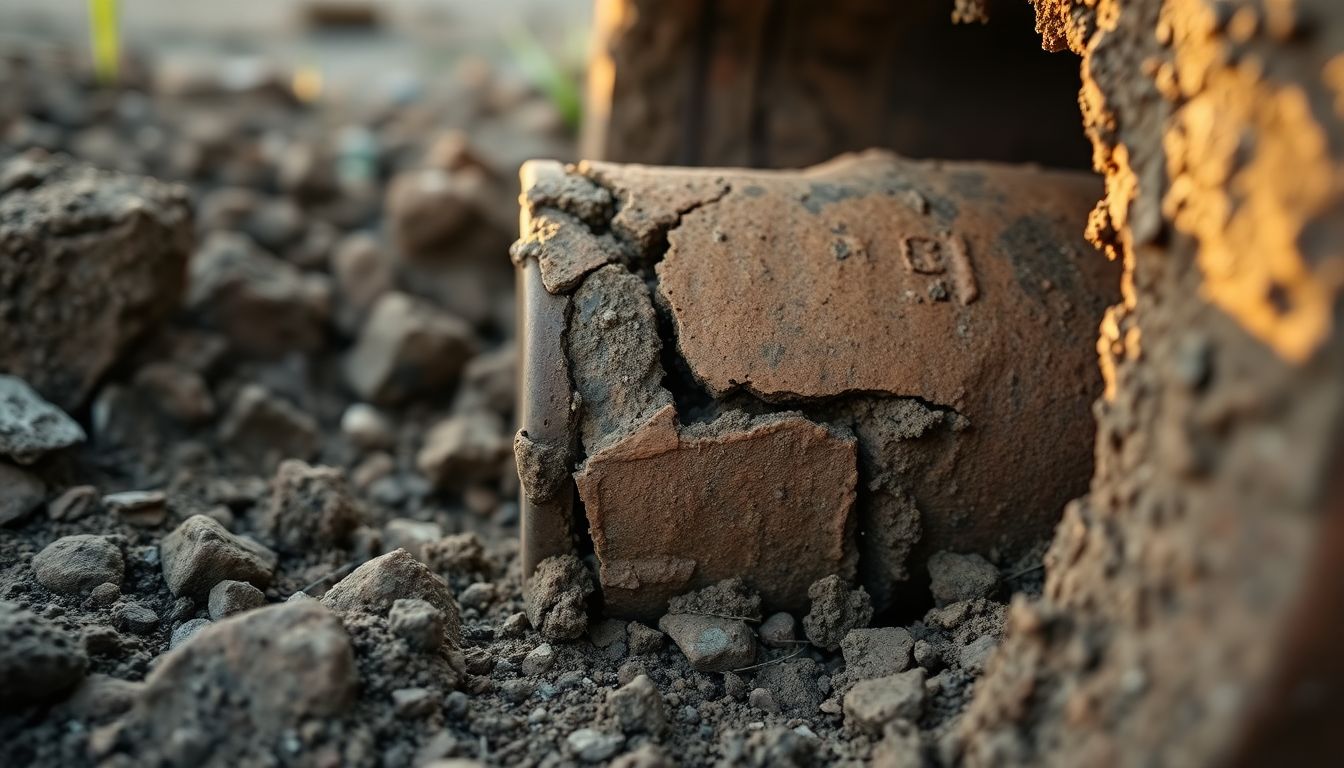
Clay fails most often at the joints. Roots pry them open. PVC fails when the glue lets go or when backfill settles unevenly. Both materials suffer when homeowners pour grease or flush wipes.
Signs your line needs attention
- Slow drains on multiple fixtures at once
- Recurring clogs within weeks
- Sewer smell near the foundation
Environmental Notes
Clay comes from natural material and can stay in the ground. PVC production uses petroleum. Once installed both materials keep waste contained. Neither leaches into soil when joints remain tight.
When Clay Still Makes Sense
Historic districts sometimes require clay to match original construction. Certain industrial waste streams also tolerate clay better than plastic. We weigh these rules before every project.
When PVC Wins the Decision
Most residential sewer repairs in Houston now use PVC. The lighter weight speeds work. The smooth interior lets water flow with less buildup. For new construction or full repipes, PVC usually wins on price and speed.
Quick comparison points
- Weight: PVC lighter, easier to handle
- Joint seal: PVC gaskets tighter than clay bells
- Root resistance: PVC holds up better at joints
- Cost: PVC lower both in material and labor
What We See on Job Sites
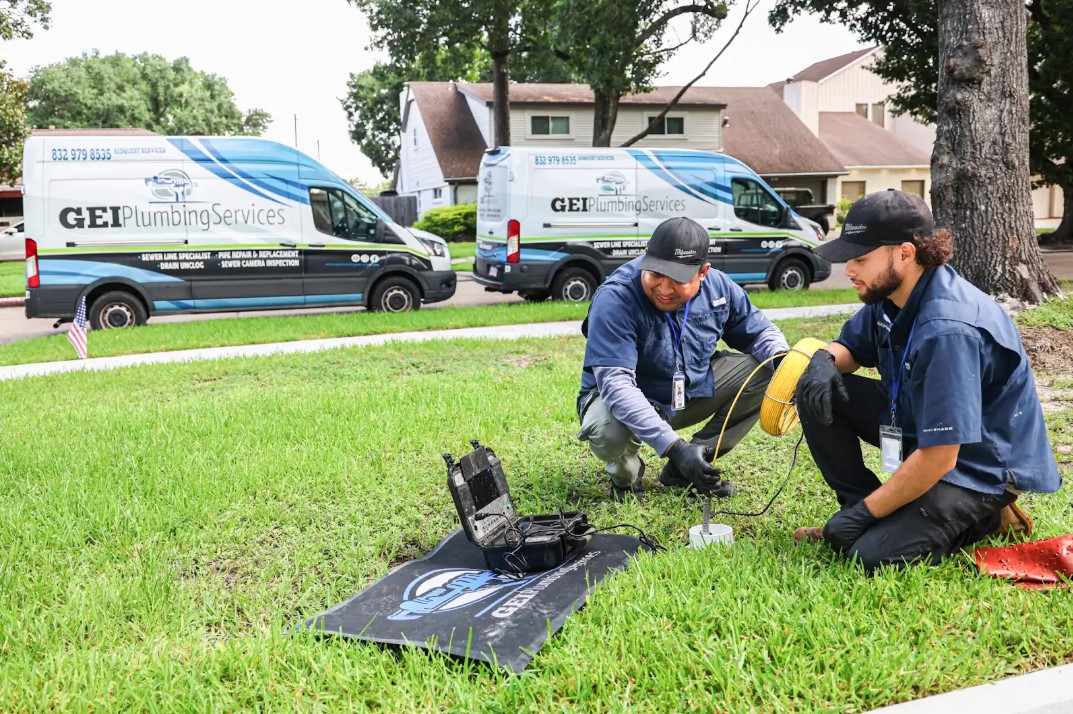
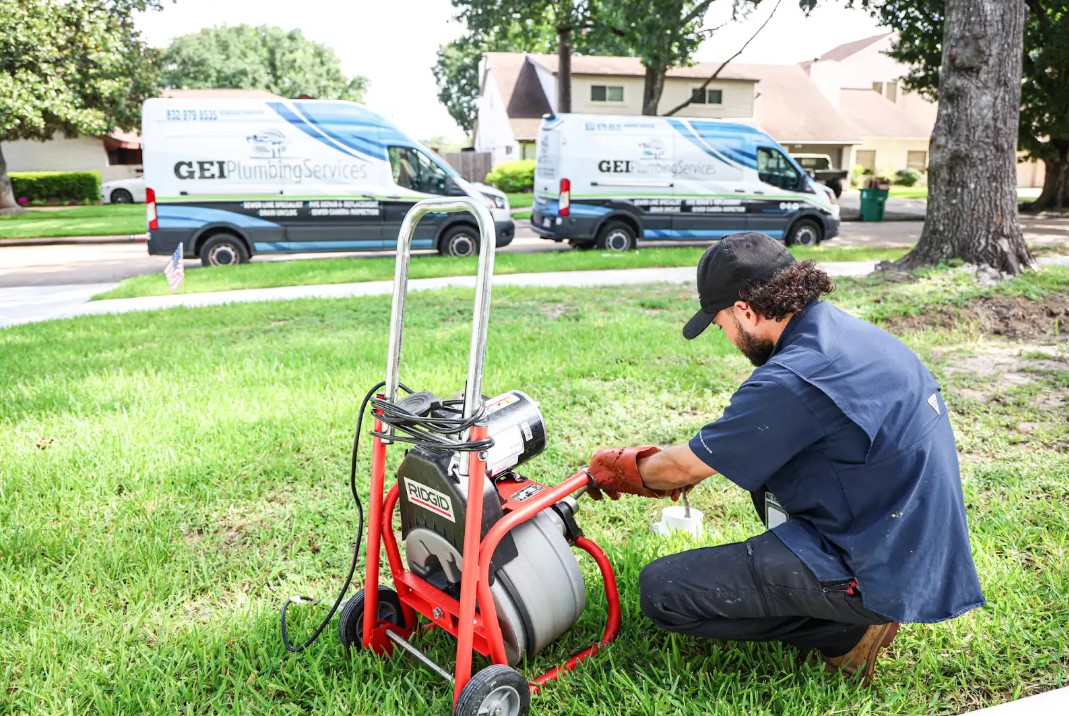
At GEI Plumbing Services we run camera inspections on every sewer call. Clay lines from the 1950s still pass the test if the joints never moved. PVC lines from the 1990s sometimes show offset joints because the original install skipped proper bedding. Soil type and install quality decide outcome more than material alone.
Next Step for Your Property
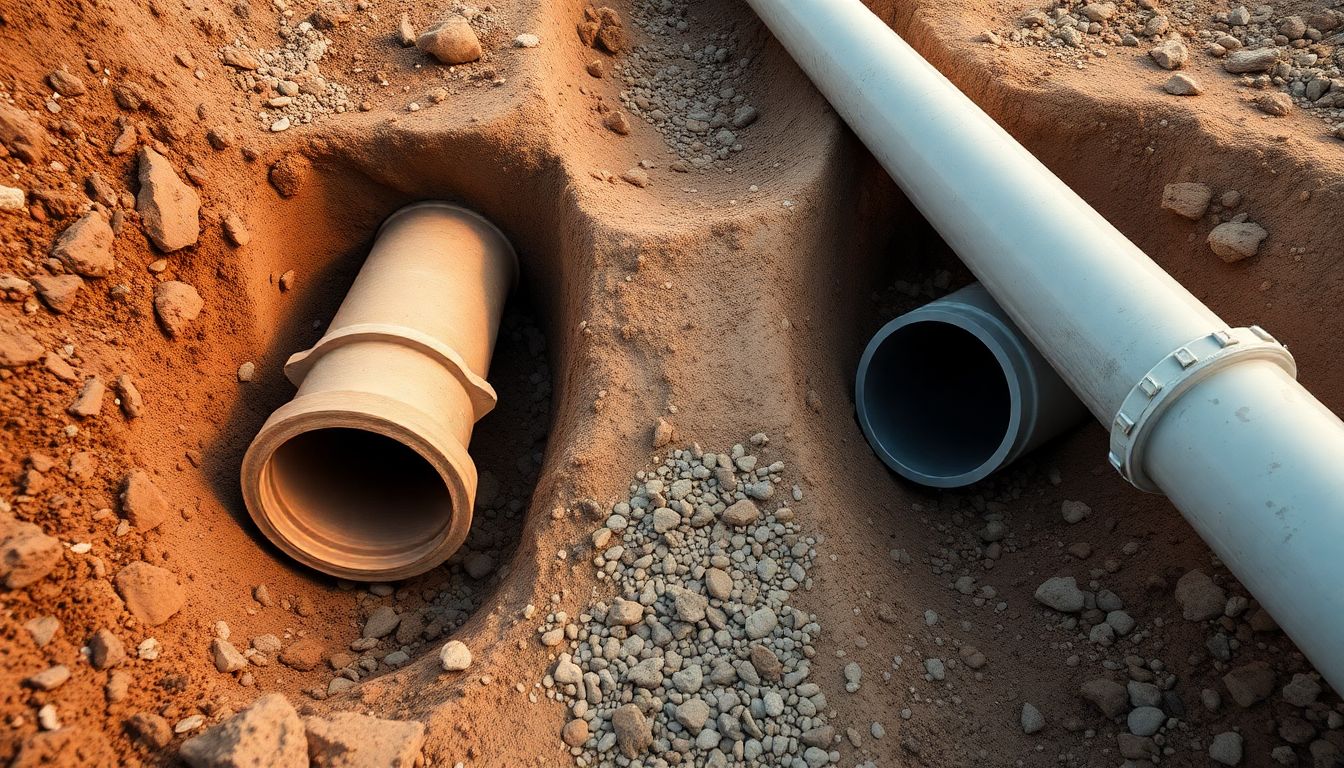
If your home shows repeated clogs or you plan a remodel, schedule a camera inspection first. We locate the pipe material, measure slope, and spot trouble before it floods your yard. At GEI Plumbing Services we handle both clay and PVC replacement with the same warranty on labor and parts.
Call us today to book a visit and get straight answers for your sewer line.