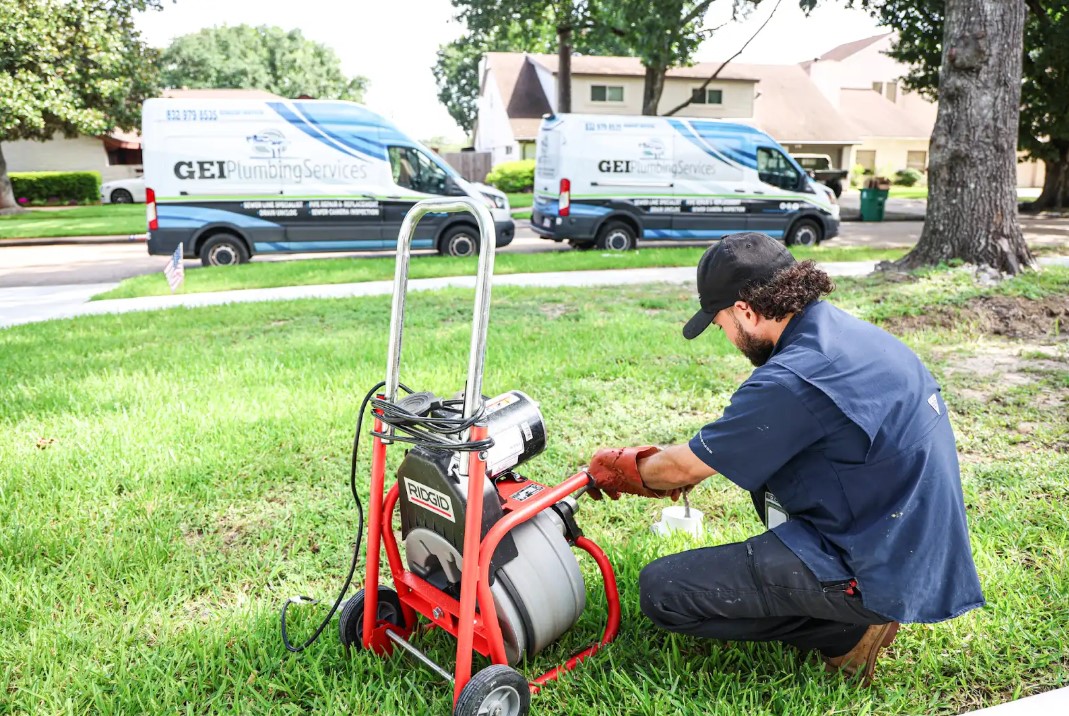
Why We Check Sewer Lines
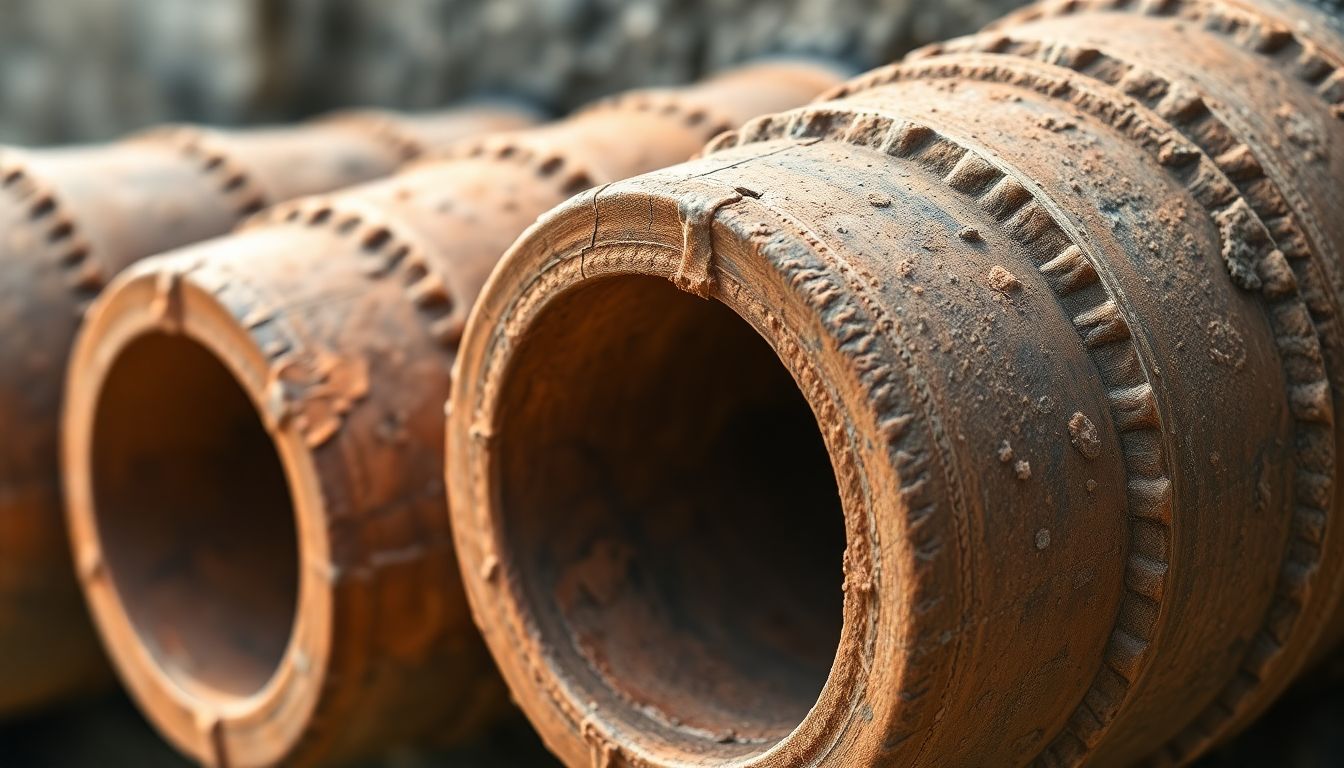
We start every inspection by learning your setup. Houston homes often sit on older clay or cast iron lines that crack from shifting soil. A camera run shows us the real state of those pipes.
You save money when we catch small faults early. A single crack can turn into a full backup if left alone.
Signs Your Line Needs a Look
Water backs up in tubs when the main line clogs. Gurgling sounds come from toilets after a flush. Wet spots appear in the yard along the pipe path. These clues tell us it is time to inspect.
We ask you when the symptoms started. That timeline guides where we begin the camera pass.
How We Get Ready
We clear the work area first. Your cleanout point must stay open so the camera head fits. We note the pipe size and material from your records or a quick visual check.
Simple prep keeps the job short. Most visits finish in under two hours.
The Tools We Bring
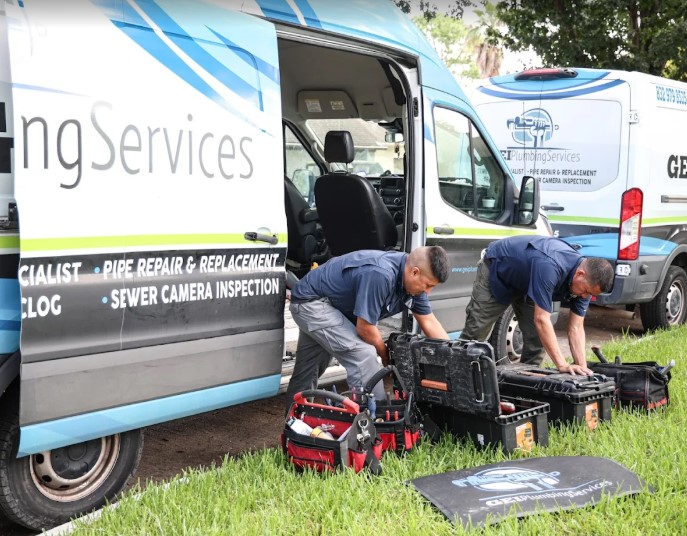
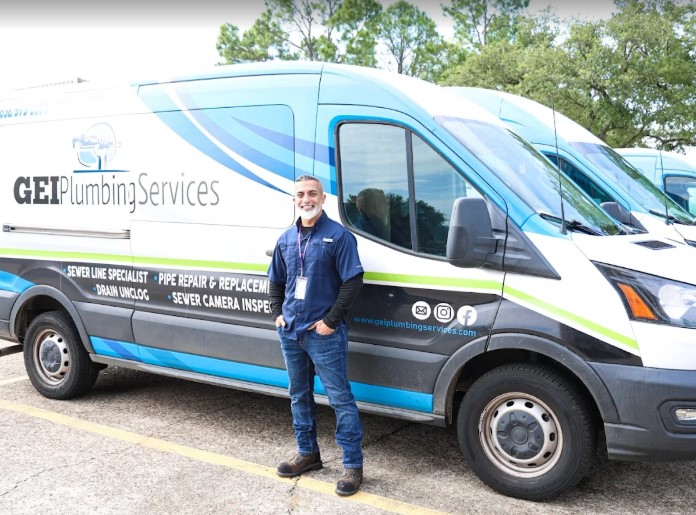
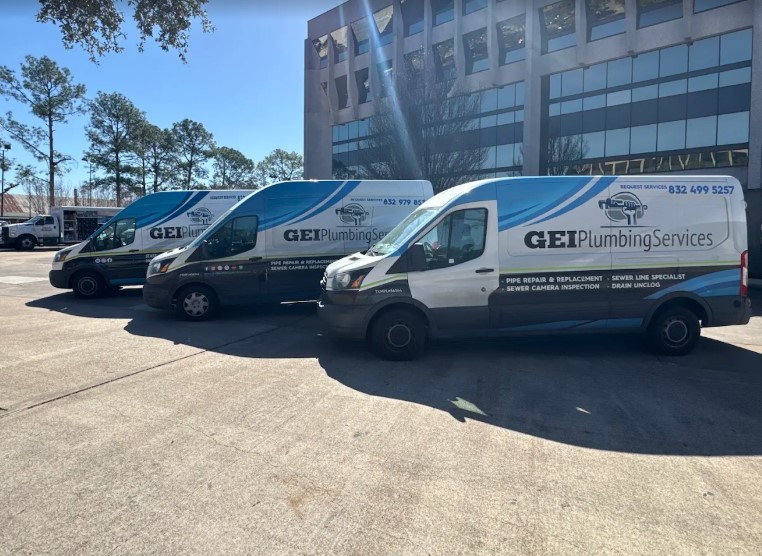
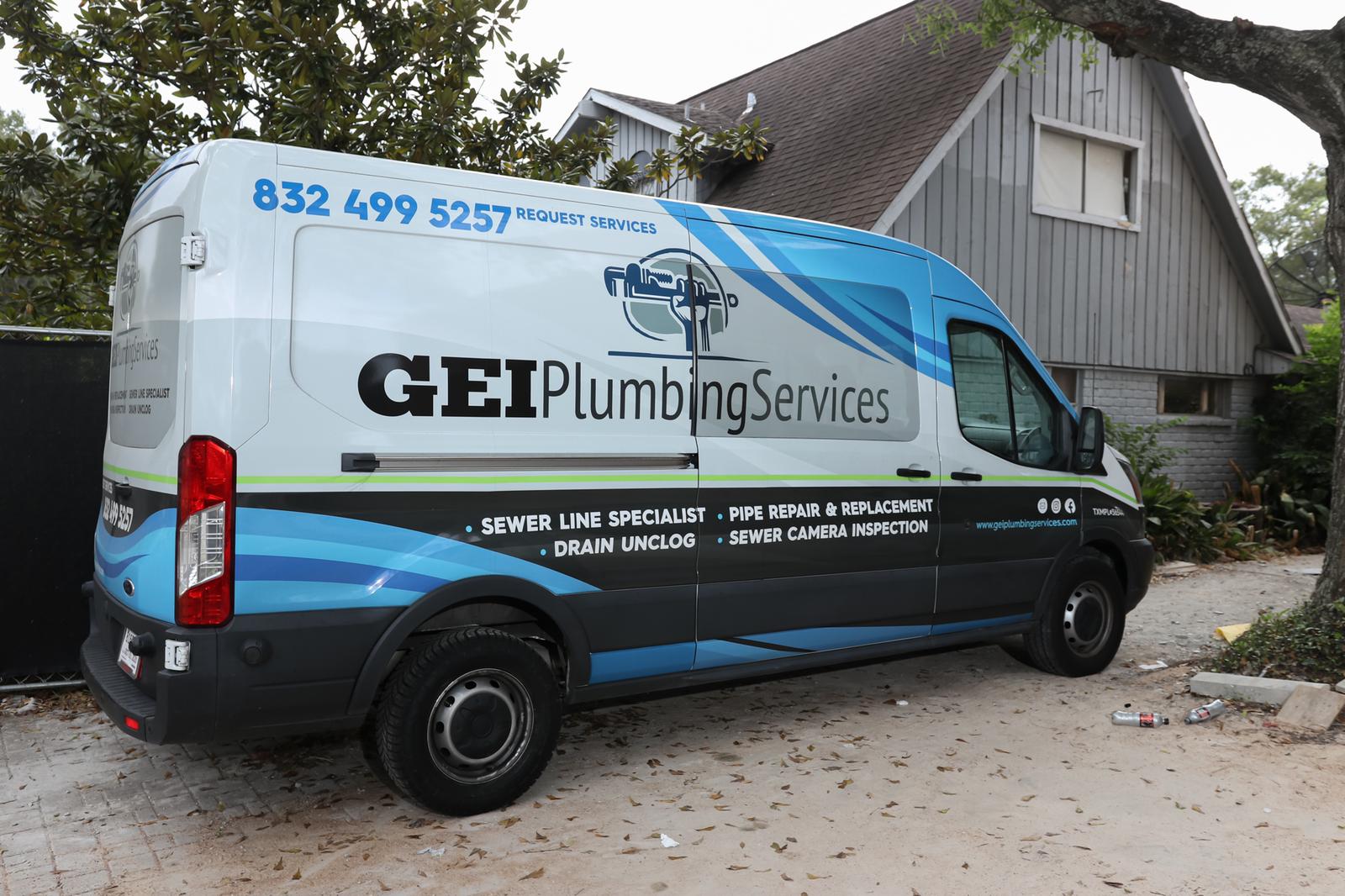
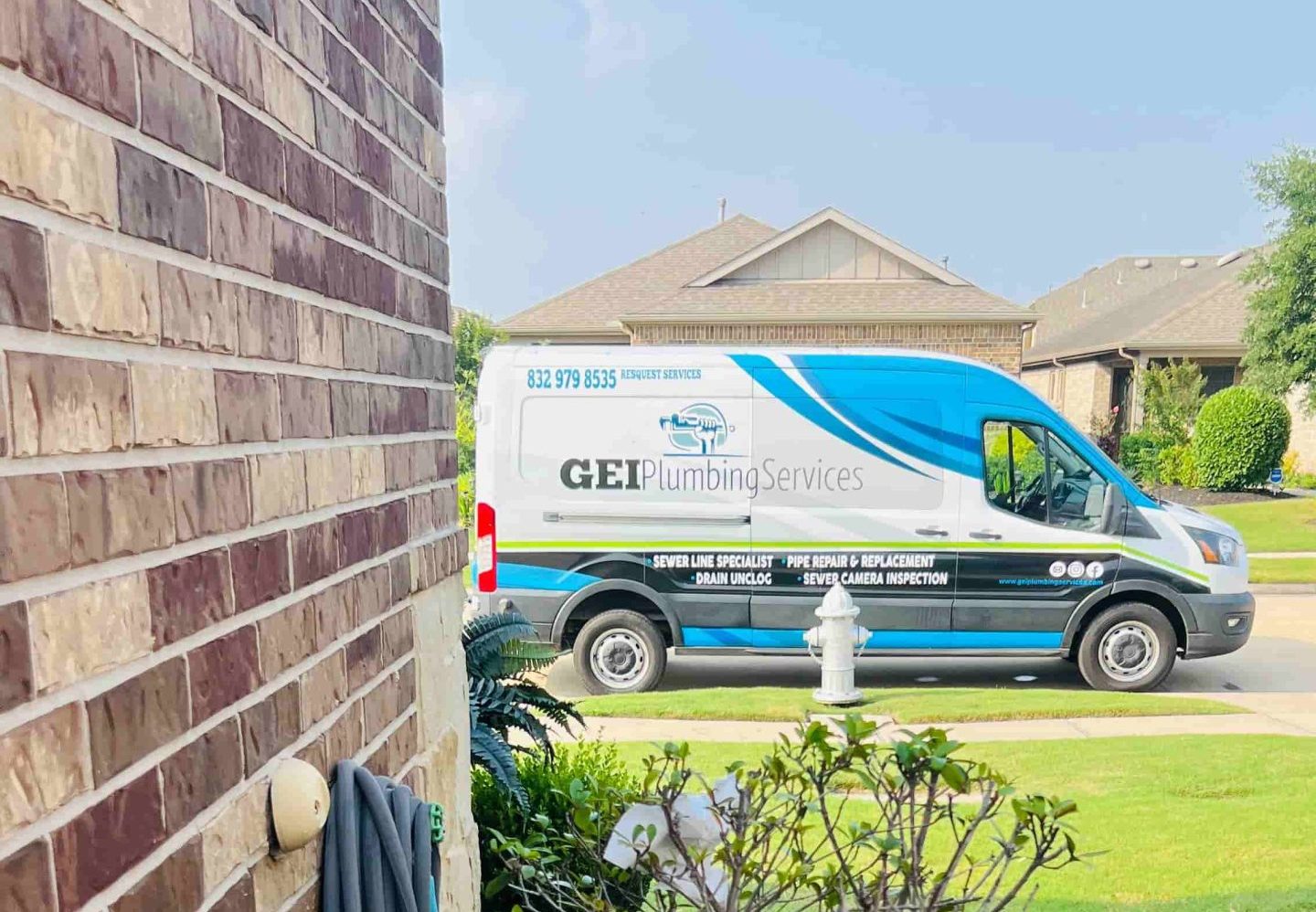
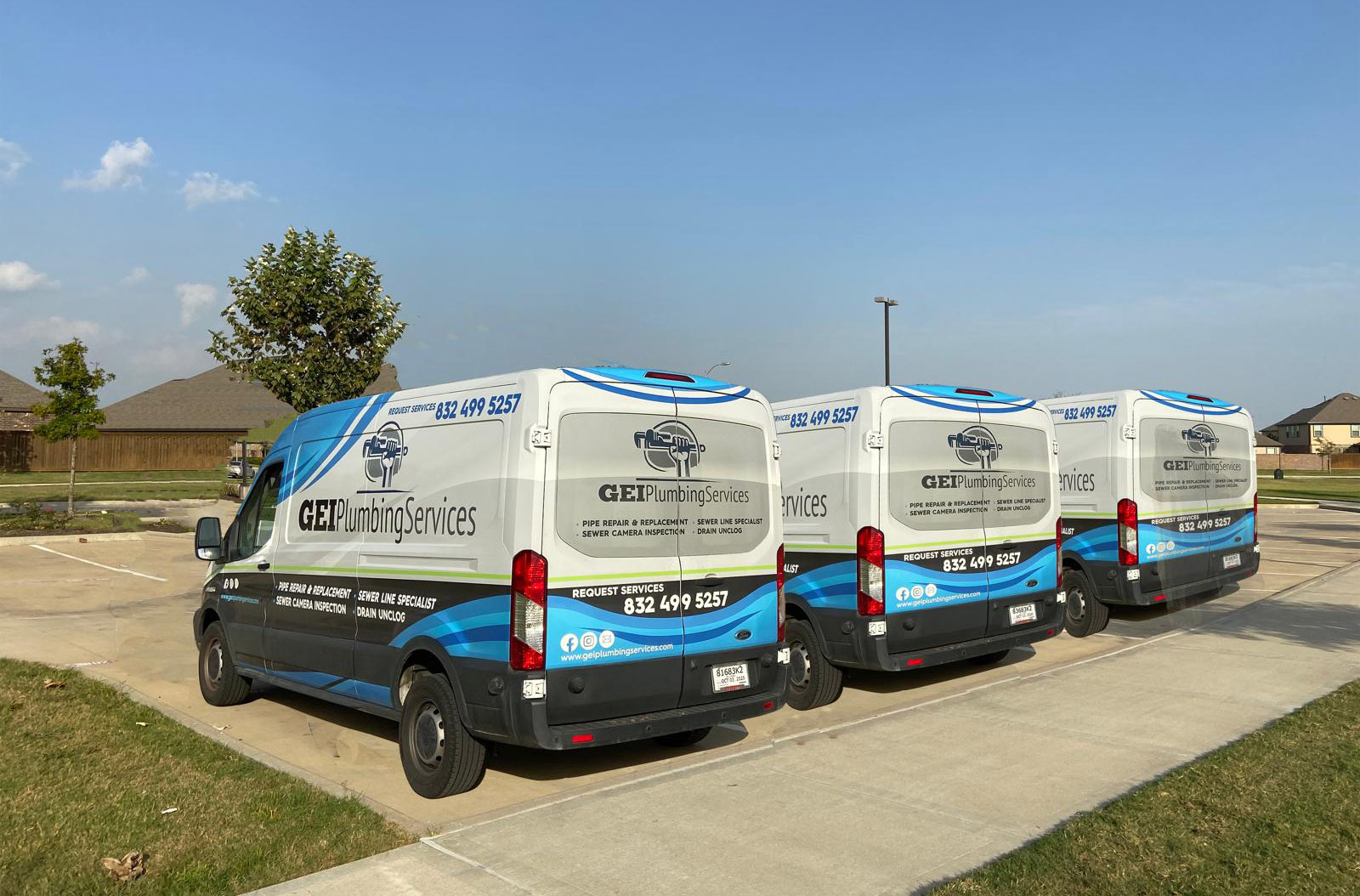
Our van carries a few key pieces:
- Push-rod camera with LED lights for tight lines
- Self-leveling camera head that stays upright
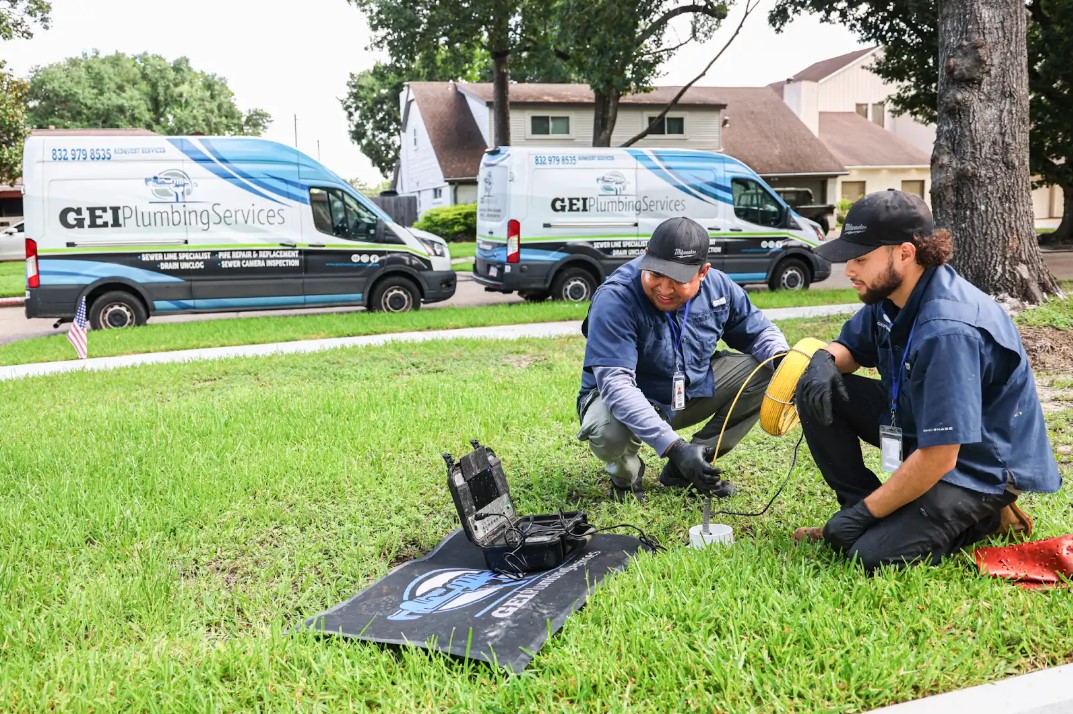
- Locator transmitter to mark exact depth and path
- Tablet screen for live review with you
Each tool gives different data. We pick the right one based on your pipe size and access point.
The First Camera Pass
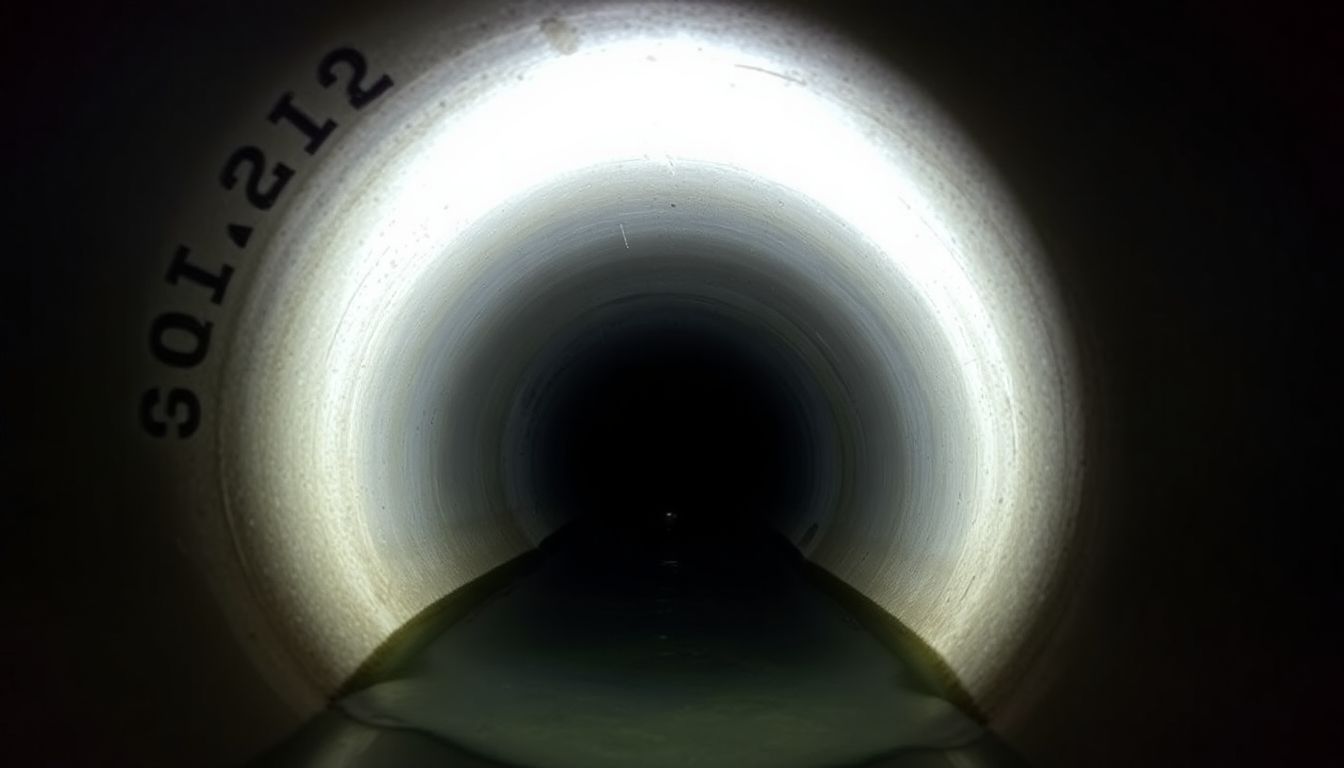
We feed the camera from the cleanout toward the street. The live feed shows every joint and bend. We pause at cracks, roots, or standing water.
You watch the same screen on site. This keeps the findings clear and removes guesswork.
What We Record
Every foot gets logged. We note depth, distance from the cleanout, and any defect size. Still images and short clips attach to the report we leave with you.
You receive a copy the same day. It lists each issue with its location and our repair options.
Common Problems We See
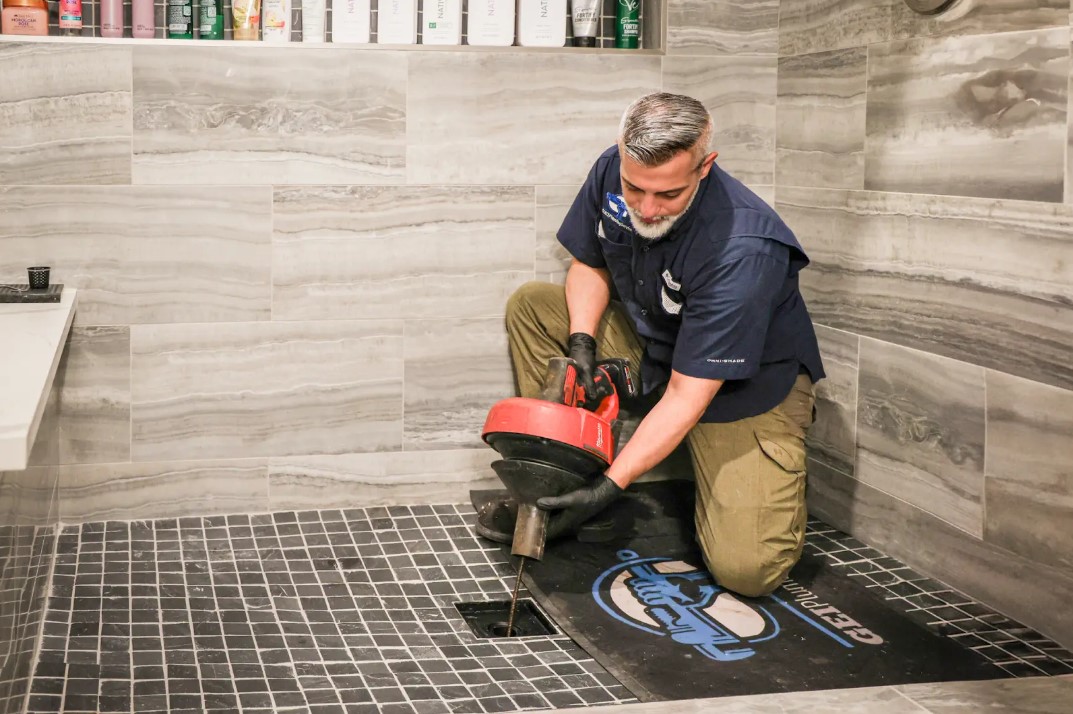
Roots enter at joints in older lines. Grease builds up in kitchen drains and narrows the flow path. Soil movement creates low spots that collect solids. We see these patterns often in Houston neighborhoods.
Quick list of frequent findings:
- Root intrusion at pipe joints
- Offset joints from ground shift
- Grease and sludge layers
- Collapsed sections in aged clay pipe
Next Steps After the Camera Run
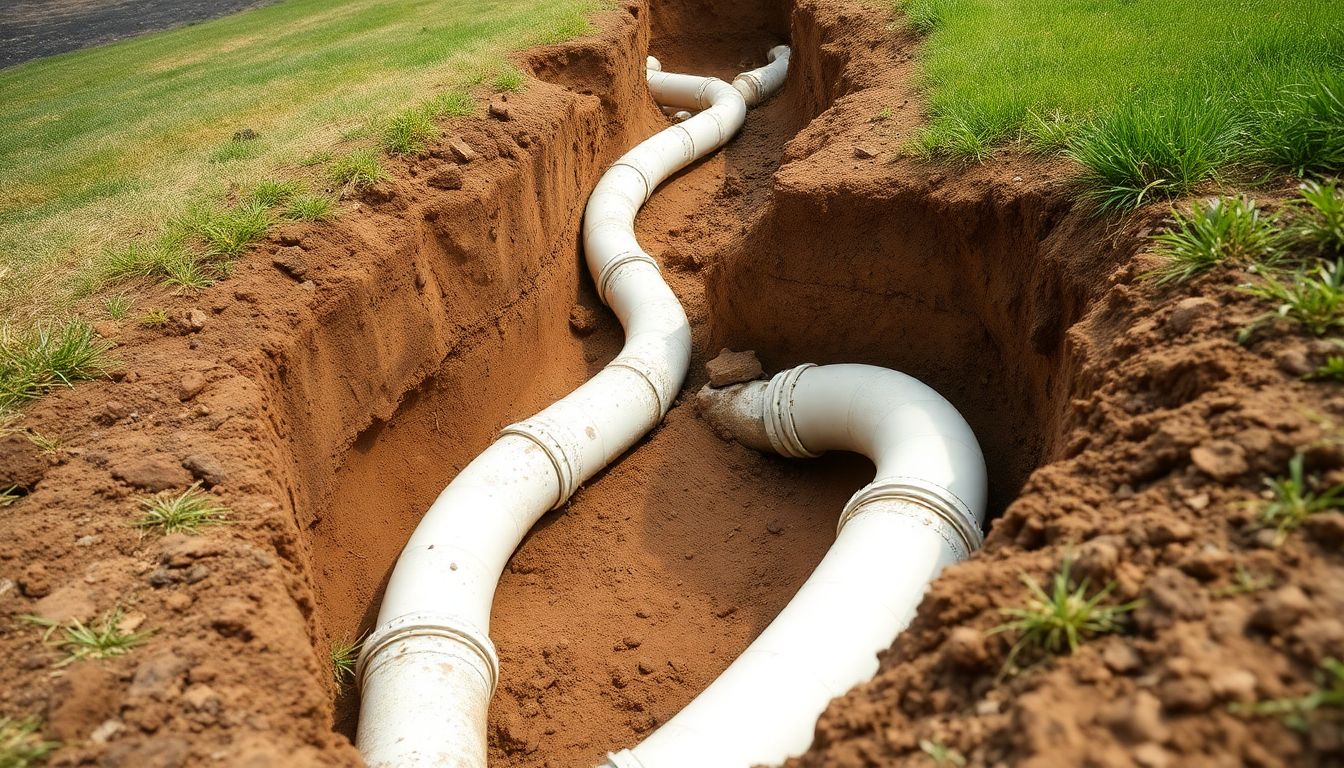
Small cracks get patched or lined. Full breaks require replacement of the damaged section. We give you a written scope that matches the footage we captured.
At GEI Plumbing Services we explain the timeline and cost before any work begins. You decide the pace.
How Often Should You Schedule
Most homes need an inspection every three to five years. Homes with trees near the line or past backups benefit from yearly checks. We tailor the schedule to your property.
A quick call lets us pull your last report and set the next visit.
Our Approach at GEI Plumbing Services
We keep every inspection simple and direct. You see the footage live and receive the report before we leave. No surprise costs appear later.
We work on both homes and small commercial buildings across the Houston area. Same tools and same process apply.
Book Your Inspection
Call us today if you notice slow drains or recent backups. We schedule most inspections within one business day and give straight answers on site. At GEI Plumbing Services we focus on clear findings and lasting fixes for Houston homes and businesses.